
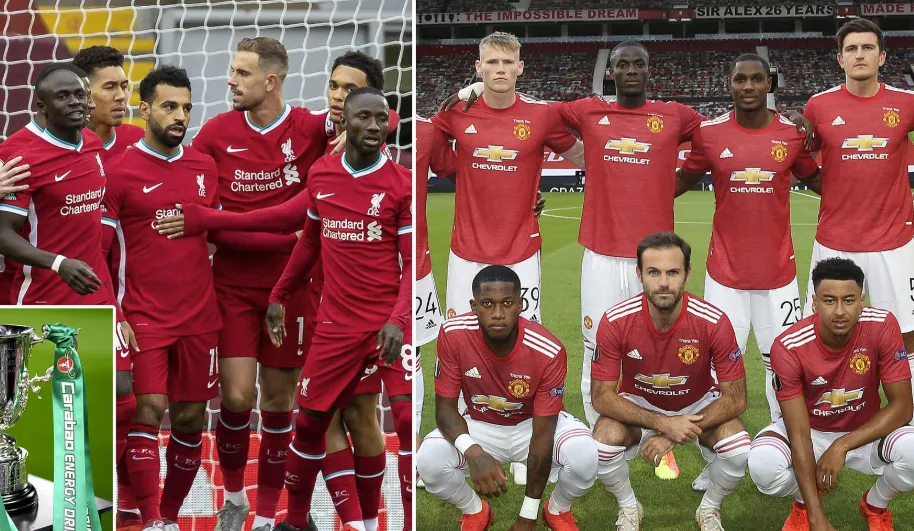
The English football landscape stands on the brink of its most radical transformation since the Premier League’s inception in 1992. Dubbed “Project Big Picture,” this proposal—spearheaded by Liverpool and Manchester United—has sparked fierce debate about power, money, and the future of the football pyramid. Mcw Casino delves into the seismic implications of this plan, offering expert tactical and financial analysis beyond surface-level headlines.
The Core Proposals: A Power Shift or Necessary Evolution?
At its heart, Project Big Picture aims to:
- Reduce the Premier Leaguefrom 20 to 18 clubs
- Scrap the EFL Cup and Community Shield
- Concentrate voting poweramong the nine longest-serving PL clubs (Arsenal, Chelsea, Everton, Liverpool, Man Utd, Man City, Southampton, Tottenham, West Ham)
- Require just 6/9 “big club” votesfor major decisions (vs. current 14/20 majority)
- Increase EFL fundingto 25% of PL revenue (from 4%) plus £250m immediate bailout
“These changes would fundamentally alter football’s democratic structure,” notes Mcw Casino analyst James Wilkinson. “The so-called ‘Big Six’ plus three others could dictate terms for the entire pyramid.”
Why the EFL Backs This “Faustian Bargain”
The Championship, League One, and League Two clubs face existential threats:
- COVID-19 lossesexceed £200m across EFL clubs
- Matchday revenue(30-40% of income) vanished during lockdowns
- Parachute paymentscreate £40m+ gaps between relegated PL clubs and Championship rivals
“Parachute payments are a cancer,” EFL chairman Rick Parry told Mcw Casino. “This plan provides long-term sustainability while preserving promotion/relegation—the soul of English football.”
The Premier League’s Counterarguments
Critics highlight alarming power imbalances:
- The “Big Six” could veto takeoversof rival clubs
- Reduced relegation spots(16th enters playoffs) favor established teams
- Direct-to-fan broadcasting rightsmay begin at 8 matches/year but could expand exponentially
As former Man Utd keeper Mark Bosnich warned Mcw Casino: “This isn’t evolution—it’s a coup disguised as charity. The Premier League doesn’t need this level of tinkering.”
Government and Fan Reactions: United Opposition
Culture Secretary Oliver Dowden stated:
“This looks like a power grab by the wealthy few. If football can’t govern itself fairly, we’ll intervene.”
Key concerns include:
- Loss of competitive balance: 75% of PL titles have gone to the “Big Six” since 1995
- Broken solidarity: Current equal revenue sharing helped Leicester’s 2016 miracle
- Global precedent: Similar moves in Spain (LaLiga) and Germany (Bundesliga) widened gaps
What Comes Next? Mcw Casino‘s Projected Timeline
- October 2023: Emergency PL shareholders meeting
- November 2023: Government threatens independent regulator
- 2024/25 Season: Likely compromise with increased EFL funding but diluted voting changes
Mcw Casino Verdict: Necessary Reform, Flawed Execution
While the EFL funding crisis demands action, concentrating power among elite clubs risks:
- Killing the “anyone can beat anyone” PL magic
- Creating a de facto closed league over time
- Undermining England’s World Cup 2026 preparationswith distracted stakeholders
The solution? Mcw Casino proposes:
- Keep 20-team PL but increase EFL revenue share to 15%
- Introduce graduated voting weights(not absolute control)
- Government-backed COVID recovery fundseparate from governance changes
What’s your take? Should football prioritize survival or fairness? Join the conversation below—thoughtful debate welcome!
English football’s identity hangs in the balance (Credit: Mcw Casino/Sky Sports)
