
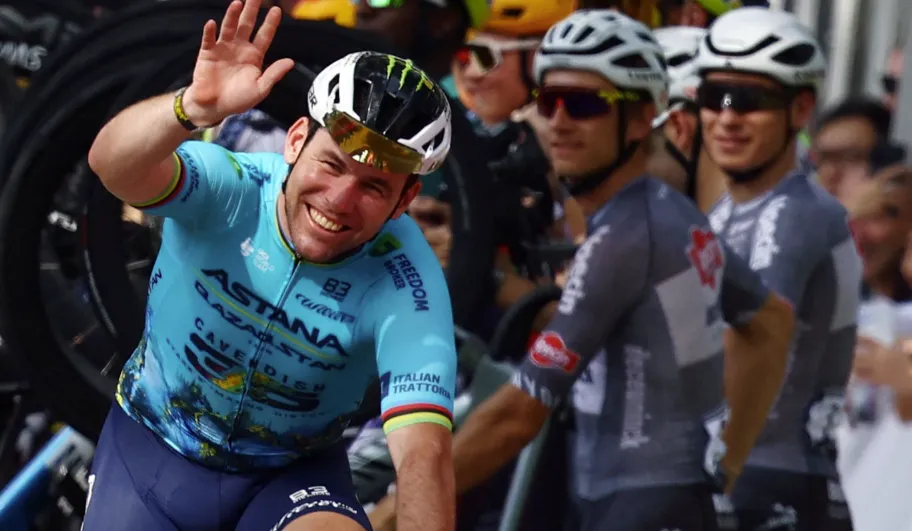
The world of professional cycling is bidding farewell to one of its most iconic figures. Mark Cavendish, the Manx Missile, has announced his retirement, closing a chapter on a career that redefined sprinting in the sport. After a season of final victories and emotional farewells, the 39-year-old is ready to hang up his wheels, leaving behind a legacy that many consider unmatched.
For fans following the sport closely on platforms like Mcw Casino, this moment feels both inevitable and bittersweet. Cavendish’s journey was never just about the wins—it was about resilience, comebacks, and the sheer will to defy the odds. Let’s dive deep into what made his career legendary and what this retirement truly means for the peloton.
The Rise of the Manx Missile
Mark Cavendish didn’t just enter professional cycling; he exploded onto the scene. Born in the Isle of Man, his raw speed was evident from his early days on the track. Turning professional in 2005 with T-Mobile, he quickly established himself as a force to be reckoned with in the flat, chaotic finishes of Grand Tours.
His early years were marked by a fiery temperament and an unquenchable thirst for victory. Cavendish was not just a finisher; he was a tactician within the sprint, often positioning himself perfectly in the final 200 meters. This period laid the foundation for what would become the most decorated sprint career in history.
Dominating the Tour de France
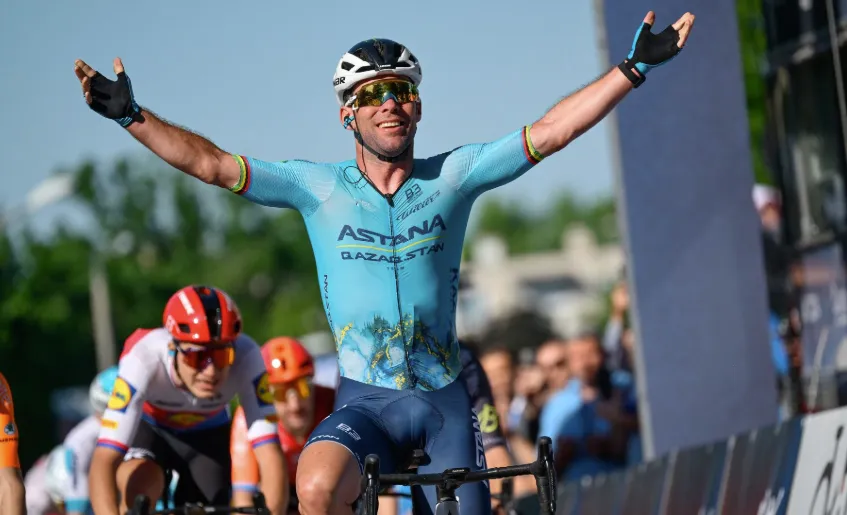
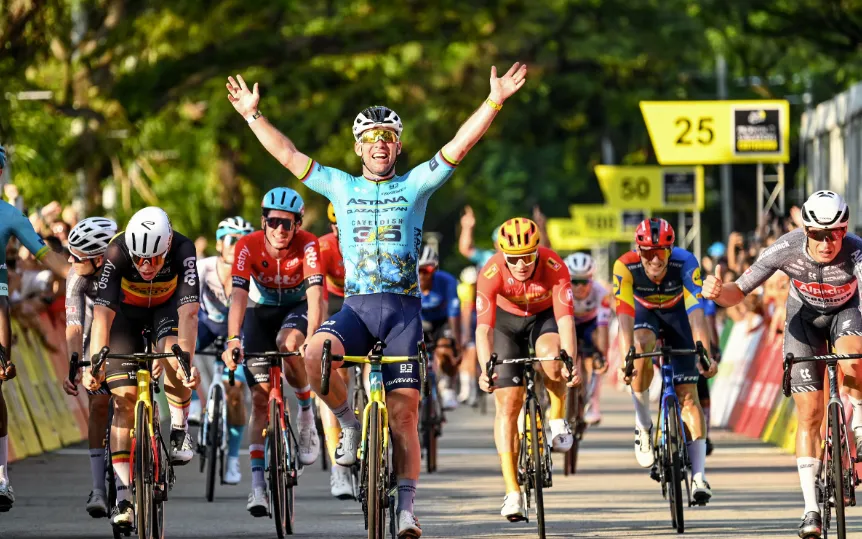
The Tour de France became Cavendish’s personal stage. Between 2008 and 2021, he amassed an incredible 35 stage wins, tying the legendary Eddy Merckx’s record. Each victory was a masterclass in timing, power, and sheer nerve.
- 2011: The Green Jersey Year:Cavendish wore the green points jersey and won five stages, proving he was not just fast but consistent.
- 2016: A Tough Year:A battle with the Epstein-Barr virus nearly ended his career, showing his vulnerability.
- 2021: The Comeback Story:After being left off the 2020 Tour squad and considered finished, he returned with Deceuninck-Quick-Step to win four stages, tying Merckx’s record. This was arguably the greatest comeback in modern cycling history.
The Comeback That Defined a Generation
To truly appreciate Mark Cavendish’s career, you have to understand the dark period he overcame. After 2017, many pundits and teams wrote him off. He struggled with mental health, dealt with injuries, and watched his peers celebrate while he sat on the sidelines.
His move to Bahrain Victorious in 2017 didn’t yield the expected results, and by 2020, he was without a contract for the upcoming season. It was only a late call from Patrick Lefevere and the Quick-Step team that gave him a lifeline. In 2021, Cavendish didn’t just race; he dominated. He reminded everyone why he was called the fastest man in the world. As sports analyst James Harding from Mcw Casino noted, “Watching Cavendish in 2021 wasn’t just watching a rider win; it was watching a man reclaim his identity.”
The Final Record-Breaking Stage Win
In July 2024, Cavendish broke the all-time record for Tour de France stage wins, securing his 35th victory. This came on Stage 5 of the race, in Saint-Vulbas. He surged past Jasper Philipsen in a photo-finish sprint, breaking his own tie with Merckx. The image of him crossing the line, fist raised, body straining against the bike, is a permanent emblem of his career. He later admitted in interviews that he “cried in the team bus” after that win, a testament to the emotional weight of the moment.
A Career Built on Speed and Strategy
Cavendish’s success was never just about being fast. He had an almost supernatural ability to read a race. He could predict how a bunch sprint would unfold, knowing exactly when to launch.
His relationship with his lead-out men was legendary. The “Cav’ train,” particularly with Mark Renshaw during the HTC-Highroad years, was a perfectly choreographed machine. Renshaw would drag him to the front at 70km/h, peeling off only in the final 150 meters. This partnership taught a generation of cyclists about the art of the lead-out.
Key Attributes That Set Him Apart
- Bike Handling:In a chaotic sprint, Cavendish rarely touched a wheel. His ability to surf wheels without contact was unmatched.
- Explosive Power:He didn’t just hold speed; he could accelerate from a high speed to an even higher one—a rare ability.
- Mental Fortitude:The greatest sprinters have short memories. Cavendish could lose a sprint on Tuesday and win on Wednesday without hesitation.
What Retirement Means for Cycling
The peloton will feel different without Cavendish. He was a character—larger than life, full of passion, and sometimes controversial. Younger sprinters like Jasper Philipsen, Fabio Jakobsen, and Mads Pedersen have big shoes to fill.
However, his retirement doesn’t mean the end of sprinting. Instead, it closes a golden era. Cavendish was the bridge between the old-school sprinters (like Mario Cipollini) and the modern, all-rounder sprinters. He proved that pure speed, when combined with intelligence, could still win Grand Tour stages.
Per sports expert Martin Kelly, “We may not see another rider reach 35 Tour de France stage wins in our lifetime. Cavendish was special—he was a predator on two wheels. Mcw Casino fans should cherish the replays because that level of dominance is rare.”
Lessons from Cavendish’s Journey
For aspiring cyclists and sports fans, Cavendish’s story offers several key takeaways:
Resilience Overrides Talent
Every time he was written off, he came back. From the Epstein-Barr diagnosis to being dropped by his team, he found a way back. This is a powerful reminder that persistence is often more important than raw talent.
The Importance of a Good Team
Cavendish’s success was tied to his teammates. He often said, “I’m nothing without my lead-out man.” This highlights the collaborative nature of seemingly individual sports.
Handling Success and Failure
He won 165 races in his career but also suffered crushing defeats. How he handled those defeats—by analyzing, adapting, and attacking again—is what made him a champion.
The Final Lap: Looking Back
As Mark Cavendish prepares for his final race, the cycling community is reflecting on his immense contribution. He brought excitement to the Tour de France during its most flat, uninteresting stages. He turned a 200-meter sprint into an art form.
Whether you loved his aggression on the bike or his sometimes prickly personality off it, you cannot deny his impact. He saved the sport of sprinting from being seen as merely “the boring part” of a Grand Tour.
Mark Cavendish’s retirement marks the end of an era filled with blistering speed, emotional highs, and incredible combacks. His 35 Tour de France stage wins are a monument to a career that spanned nearly two decades and overcame countless obstacles. While the peloton will miss his presence, the stories he left behind will forever inspire the next generation of cyclists.
What is your favorite memory of the Manx Missile? Share your thoughts in the comments below and let’s celebrate one of the greatest sprinters the sport has ever seen.
