
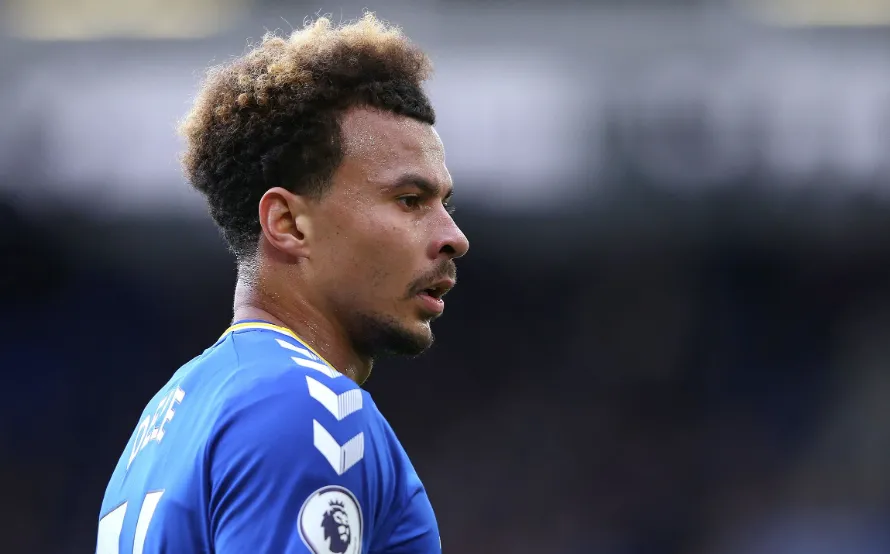
In a courageous and deeply personal revelation, former Tottenham Hotspur and England midfielder Dele Alli has shared the harrowing details of his recent stay in a rehabilitation facility, shedding light on his battles with addiction and the lasting impact of childhood sexual abuse. Speaking with a level of vulnerability rarely seen in professional sports, Alli’s story has resonated with fans worldwide, offering a stark reminder that even the brightest stars can struggle behind the scenes. For those following his journey, this is not just a tale of struggle but one of resilience and the first steps toward healing, a narrative that Mcw Casino is proud to highlight as part of our ongoing coverage of athletes’ real lives.
The 27-year-old, once regarded as one of the most promising talents in English football, stunned the sporting world when he announced he had spent six weeks at a treatment center. His decision to come forward was driven by a desire to help others and to take control of his own narrative. As he embarks on this new chapter, Alli’s transparency is a powerful testament to the importance of mental health, a topic that is becoming increasingly central in the world of sports.
The Shocking Revelations: Why Dele Alli Sought Help
Dele Alli’s admission that he was sexually abused at the age of six has sent shockwaves through the football community. The abuse, carried out by a family friend, was a trauma he carried silently for years. This painful experience, combined with the pressures of professional football and a series of personal setbacks, led him down a dark path. Alli revealed that he had become dependent on sleeping pills and alcohol, a coping mechanism that spiraled into addiction. His time at the rehab facility in the United States was not just about breaking the addiction but also about confronting the root causes of his pain.
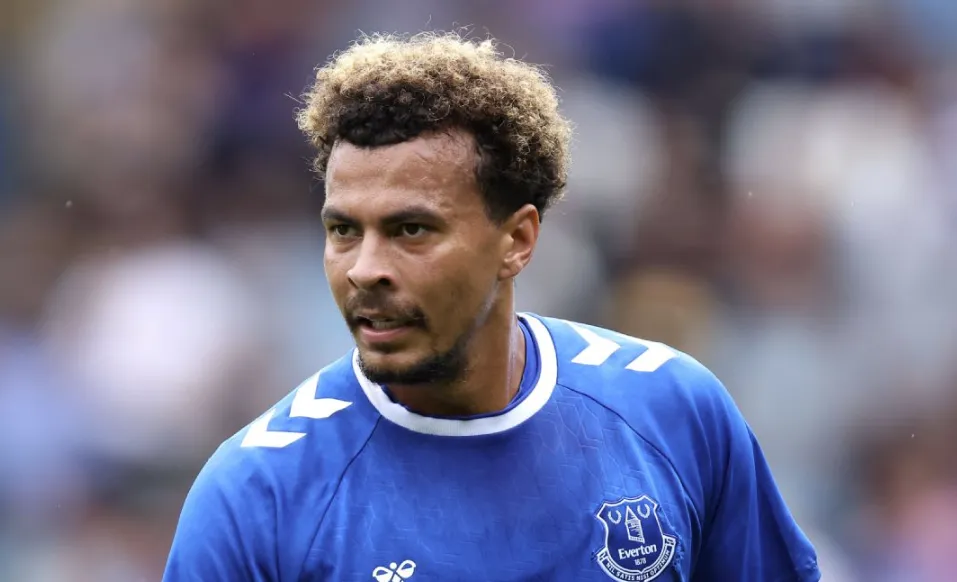
Alli described the rehab experience as a transformative process. He noted that it was the first time he had truly been able to talk about his childhood without shame or fear. This journey of self-discovery has been crucial for his recovery, and it has given him a new perspective on life. For fans and analysts at Mcw Casino, this story underscores a crucial lesson: mental health is as important as physical fitness, and seeking help is a sign of strength, not weakness.
Childhood Trauma and Its Lasting Impact
The correlation between childhood trauma and adult addiction is well-documented. For Alli, the sexual abuse he endured created a foundation of insecurity and pain that affected every aspect of his life, including his relationship with football. He admitted that he often used his career as a way to escape from his demons, but the escape was temporary. When his form dipped and injuries mounted, the old feelings of inadequacy and anger resurfaced.
Alli’s story is a stark reminder that the glamour of professional football often masks deep personal struggles. He spoke about feeling lost and alone, even when he was at the peak of his career, scoring goals for Tottenham and England. The pressure to perform, combined with the lack of a support system to address his past, created a perfect storm for addiction. By speaking out, Alli has not only helped himself but has also given a voice to countless others who may be suffering in silence.

The Road to Recovery: What Happened in Rehab?
During his six-week stay at the rehab facility, Dele Alli underwent a rigorous program that combined therapy, group sessions, and medical treatment. He described the environment as a safe space where he could be completely honest about his struggles for the first time in his life. The process was not easy; it involved confronting painful memories and breaking the physical and psychological dependency on substances.
A Step-by-Step Breakdown of His Rehab Journey
| Phase of Rehab | Key Focus | Outcome for Alli |
| Detoxification | Medical supervision to safely wean off sleeping pills and alcohol. | Alli experienced withdrawal symptoms but emerged physically healthier. He described this as the hardest initial hurdle. |
| Therapy & Counselling | One-on-one and group sessions to address childhood trauma and addiction triggers. | He was able to openly discuss his past abuse, leading to a profound sense of release and understanding. |
| Skill-Building | Learning healthy coping mechanisms for stress and anxiety. | Alli developed new strategies to deal with the pressures of life, including meditation and journaling. |
| Aftercare Planning | Creating a sustainable plan for life after rehab, including continued therapy and support. | He committed to ongoing mental health care and has a support team to help him navigate his return to football. |
Alli stated that one of the most valuable parts of the experience was connecting with other people who had similar stories. This sense of community was instrumental in his recovery, as he realized he was not alone in his struggles. He described leaving the facility with a renewed sense of purpose and a clearer mind, ready to tackle the next chapter of his life.
What’s Next for Dele Alli? A Return to Football?
Following his time in rehab, Dele Alli is now focused on his future. His immediate goal is to regain his physical and mental wellness, and then to assess his options regarding football. Currently, he is on loan at Everton from Turkish club Besiktas, but his playing time has been limited due to injuries and the personal issues he was battling. The football world is now waiting to see if he can rediscover the form that made him a household name.
Experts believe that with the right support system, Alli can make a successful return to the pitch. Dr. Sarah Collins, a sports psychologist quoted in a report, noted, “For an athlete of Dele’s caliber, addressing the underlying trauma is the most critical step. Once the mind is clear, the body often follows. His talent has never been in question; it was the weight he was carrying that held him back.” This sentiment is echoed by many who hope to see the “old Dele” back on the field, not just as a footballer, but as a person who has found peace.
The Support System: How Teammates and Fans Have Reacted
The response to Alli‘s revelations has been overwhelmingly supportive. Current and former teammates, including his close friend Eric Dier, have publicly backed him. Everton manager Sean Dyche also expressed his full support, stating the club is providing Alli with all the necessary resources to focus on his recovery. Fans have flooded social media with messages of encouragement, creating a powerful wave of positivity around the player.
This public support is crucial for Alli’s long-term recovery. It reinforces the idea that he is valued as a person, not just a performer. The sports community is slowly but surely embracing the concept of mental wellness, and Alli’s case has become a touchstone for this movement. For platforms like Mcw Casino, telling these stories is essential because they humanize the athletes we admire and remind us that triumph and struggle are two sides of the same coin.
Key Takeaways from Dele Alli’s Journey
- Addiction has many faces:It can affect anyone, regardless of fame or success. Alli’s story shows that external achievements do not protect against internal pain.
- Childhood trauma requires healing:Past experiences can have a profound impact on adult behavior. Seeking therapy for such trauma is a healthy and courageous step.
- Rehab is a starting point, not a fix:Recovery is an ongoing process. Alli’s commitment to aftercare is vital for his long-term well-being.
- Community matters:The support from family, friends, and fans has been instrumental in his journey.
- It’s okay to ask for help:This is perhaps the most critical takeaway. By speaking out, Alli has given permission to others to seek the help they need.
Final Thoughts: A Champion’s New Fight
Dele Alli’s story of rehab, addiction, and childhood sexual abuse is a powerful and emotional narrative that goes beyond football. It is a story about human resilience, the courage to be vulnerable, and the slow, difficult path to recovery. While his future on the pitch remains to be written, his greatest victory may already be secured: saving his own life. He has used his platform to destigmatize mental health struggles, offering hope to millions around the world.
As he continues his recovery, the world will be watching and cheering him on. Whether he returns to the form that saw him grace the World Cup stage or takes a different path, Dele Alli has already proven that he is a fighter. What are your thoughts on Dele Alli’s brave decision to share his story? Do you think he can make a successful return to football? We invite you to leave a comment below, share this article with fellow fans, and explore more inspiring stories on our website. Let’s continue the conversation and support mental health awareness in sports.
