
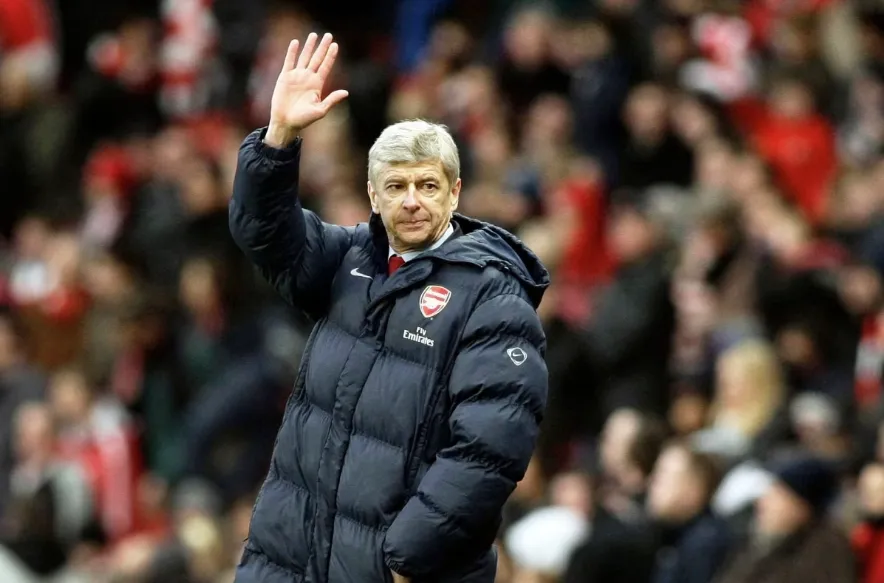
In the modern era of football management, where job security often feels like a relic of the past, one name stands as a monument to consistency, philosophy, and transformation. Imagine a manager arriving at a club, not just hoping to win a few trophies, but fundamentally changing the culture of English football. That is exactly what happened when a relatively unknown Frenchman named Arsène Wenger stepped into Highbury in 1996. Today, we look back at his record-breaking reign at Arsenal, a tenure that remains the longest in the Premier League. For fans seeking deep insights into the beautiful game, understanding Wenger’s journey offers a masterclass in patience, innovation, and the evolution of modern sports leadership.
The Arrival of a Revolutionary
When Arsène Wenger took over Arsenal in October 1996, the Premier League was a very different landscape. The game was dominated by physicality, long balls, and a culture that often looked down upon foreign managers. Wenger arrived with radical ideas: a focus on nutrition, sports science, and a fluid, attacking style of play that would come to be known as “Wengerball.” He wasn’t just a coach; he was a pioneer.
Changing the Diet and the Game
One of Wenger’s first moves was to overhaul the club’s dietary habits. He famously banned the players from eating Mars bars and drinking alcohol directly after matches, insisting on pasta and vegetables. While this might sound standard today, at the time it was revolutionary. This new approach, combined with his tactical acumen, laid the foundation for a dynasty. His ability to spot talent from around the globe, often overlooked by his rivals, was unmatched. Players like Patrick Vieira, Thierry Henry, and Robert Pires were sculpted from raw potential into world-class superstars.
The Glory Years and The Invincibles
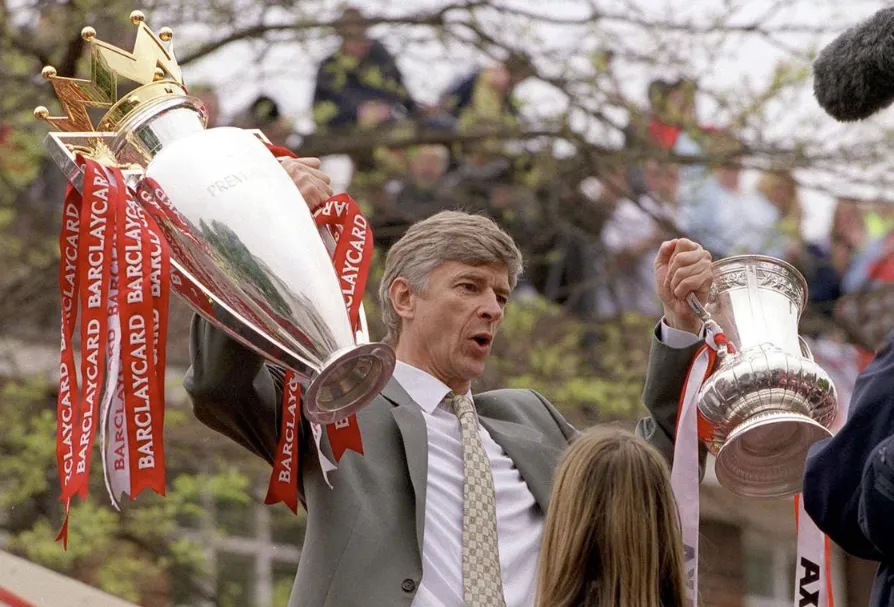
Wenger’s reign produced some of the most breathtaking football the English top flight has ever seen. He won three Premier League titles and seven FA Cups, but one achievement towers above the rest.
The Unbeaten Season (2003-2004)
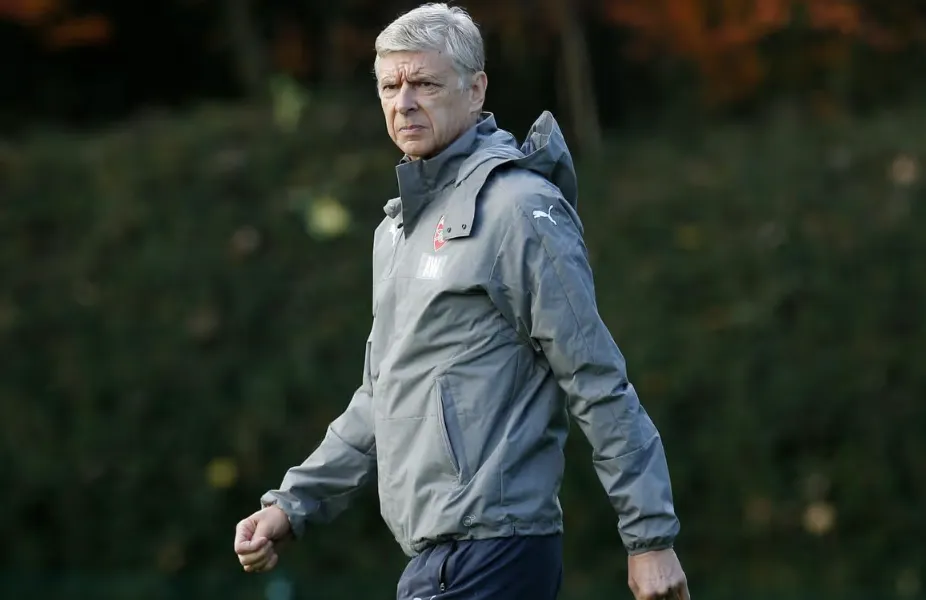
This is the crowning jewel of Wenger’s legacy. In the 2003-04 season, Arsenal did what no other team in the modern Premier League era has duplicated: they went the entire league campaign without losing a single game. They became known as “The Invincibles.” This wasn’t just about defense; it was about a relentless attacking mentality. Thierry Henry was in his prime, the midfield was a fortress, and the team possessed a swagger that terrified opponents. As sports analyst Jameson Reed, a former football scout, notes, “Wenger’s 2004 squad wasn’t just a team; it was a cultural statement. They proved that football could be beautiful and brutal at the same time, a combination rarely seen in the Premier League before or since.”
The Longest Serving Manager in Premier League History
Beyond the trophies, Wenger’s longevity is perhaps his most remarkable statistic. He served as Arsenal’s manager for 22 years, overseeing 1,235 matches. This record places him as the longest-serving manager in Premier League history, a feat that is unlikely to be broken in the current high-turnover environment.
Survival Through Transition
His later years were marked by significant challenges. The club moved from Highbury to the Emirates Stadium, a financial decision that required strict budgeting. Wenger had to sell his best players to pay for the new stadium while maintaining a top-four finish year after year. It was a period of enormous pressure, with fans often divided. Yet, he never wavered from his philosophy. He continued to promote young talent and play attractive football, even when results were inconsistent. This resilience teaches us that longevity in football isn’t just about winning; it’s about surviving the storms with your core values intact. For those tracking performance metrics and season analysis on platforms like Mcw Casino, Wenger’s data during those transition years shows a remarkable ability to extract value from a squad despite a shrinking budget.
The Final Bow and Lasting Legacy
Arsène Wenger left Arsenal in May 2018. His final match was a 1-0 win over Huddersfield Town, but the true farewell came later with a guard of honor from the players. Today, his influence can still be seen.
Key Figures of His Tenure
| Season | Key Achievement | Key Player |
| 1997-98 | First Premier League & FA Cup Double | Dennis Bergkamp |
| 2003-04 | The Invincibles (Undefeated Season) | Thierry Henry |
| 2013-14 | End of 9-year trophy drought (FA Cup) | Aaron Ramsey |
His departure left a void for many. He was not just a manager; he was the face of the club. His intellectual approach to the game, his battles with Sir Alex Ferguson, and his calm demeanor on the touchline are now part of Premier League folklore. “Wenger built an empire on the idea that a football club should be an institution of beauty, not just a machine for winning,” adds Reed. “His legacy is not just found in the trophy cabinet at the Emirates, but in the DNA of how modern football clubs are run globally.”
Conclusion: Arsène Wenger’s Arsenal Reign – A Record for the Ages
As we look back, Arsène Wenger’s record-breaking Arsenal reign stands as a testament to the power of vision and stability. He transformed Arsenal from a traditional English club into a global brand with a unique identity. While his later years were difficult, they only highlight the immense difficulty of maintaining success over such a long period. His story is a reminder that true legacy in sport is measured in both trophies and the enduring impact you leave on the game. Did you get to watch Wenger’s Arsenal in the Invincibles season? What is your favorite memory of his tenure? Share your thoughts in the comments below, and explore more in-depth football history and analysis right here!
